Construction Site Cleaning: Equipment, Methods & Site Safety Guide

Construction sites are extremely busy places. Between deliveries, machinery moving, tools getting used and teams working in different areas, dust and debris can build up almost before you notice it. Mud gets tracked in and out, leftover materials pile up and small spillages become trip hazards if they’re not dealt with quickly.

The Health and Safety Authority (HSA) has launched a national campaign focused on reducing silica dust exposure on construction sites, highlighting the industry’s concern with dust and airborne contaminants that are directly linked to poor housekeeping and site conditions.

On an active site, cleaning isn’t something you leave until the end of a project. It’s part of how you keep work moving, protect equipment and make sure people can work safely each day.

In this guide, you’ll find practical advice you can use on the ground – from managing site conditions during active work to maintaining plant and equipment and choosing cleaning methods that match the reality of construction environments.
Where Cleanliness Breaks Down First On Construction Sites

Most site cleaning issues don’t start everywhere at once. They usually show up in the same places.

Floors collect dust, grit and residue from constant movement. Access routes get blocked as materials shift around the site. Plant and vehicles pick up layers of dirt that make inspections harder. Welfare units see heavy use and deteriorate quickly without regular attention. Outdoor areas bring mud and debris back inside, especially during wet weather.

Once these areas fall behind, the rest of the site follows. That’s why early intervention matters.

Keeping Sites Under Control During Active Works

Effective site cleaning comes from simple systems that people actually follow. You don’t need perfection, you simply need consistency.


Tool and material storage

Loose tools and materials create hazards and slow work down. Clear storage areas and a habit of returning tools after use keep work zones predictable and safer to move around.

Waste flow management

Construction waste spreads fast without structure. Designated waste areas make disposal quicker and reduce clutter around active work zones. Separating waste where possible also saves time later in the project.

Clear movement routes

Walkways, entrances and exits should stay open at all times. This matters for daily operations and becomes critical in emergencies. Regular checks stop materials and waste creeping into access routes.

On larger sites, mechanical sweepers help remove dust, rubble and loose debris efficiently without pulling labour away from core tasks.

Mud and dirt control

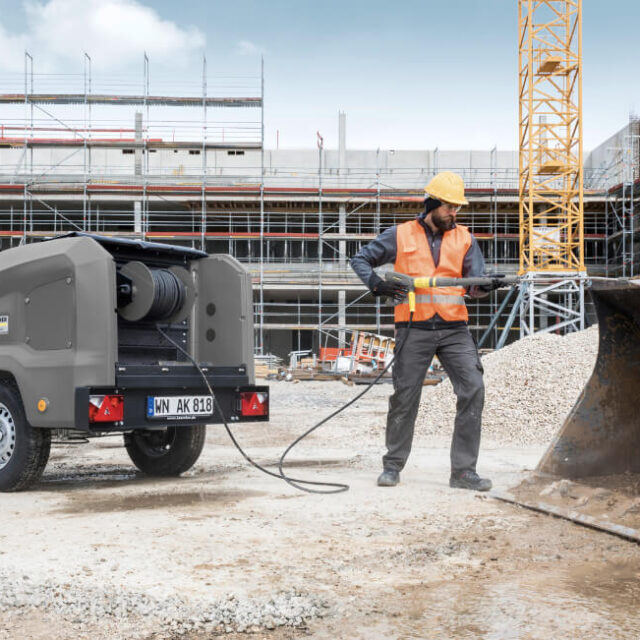
Mud and construction residue spread quickly once tracked across the site. High-pressure cleaning helps keep this contained, especially around entrances, hard standings and vehicle routes. Trailer-mounted pressure washers are well suited to these heavier cleaning tasks.

Looking After Plant, Vehicles And Heavy Equipment

Plant and machinery take a lot of abuse on site. Dirt, oil and residue build up fast during normal use. Left alone, this affects performance, safety and reliability.

Regular cleaning helps you:

  • Spot leaks and damage sooner
  • Keep equipment operating safely
  • Reduce breakdowns and repair time
  • Extend the working life of machinery

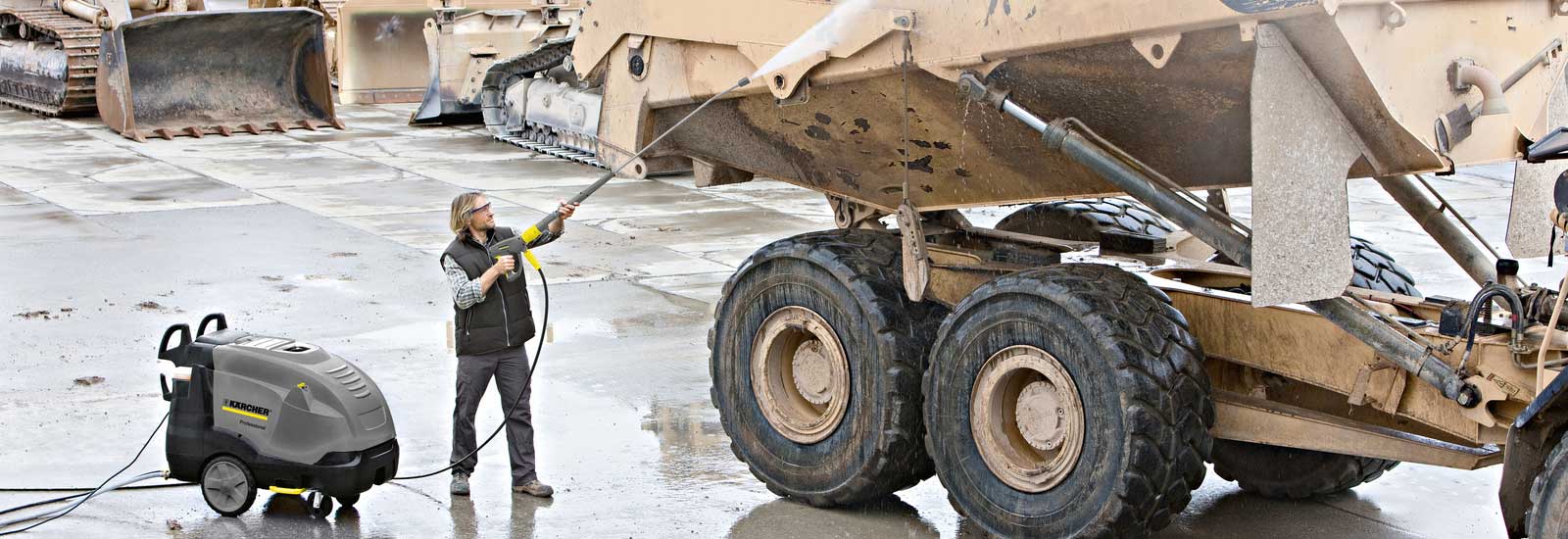
High-pressure washers work well for diggers, mixers, trucks and tools. Hot and cold water systems remove stubborn contamination without damaging components, often without detergents.

Dust, Fine Particles And Air Quality On Site

Dust is one of the hardest things to control on construction sites. Cutting, drilling and sanding release fine particles that reduce visibility and affect air quality.

Managing dust properly protects workers, reduces clean-up time and lowers fire risk. Extracting dust at source and using suitable vacuum systems is far safer than dry sweeping, which simply pushes particles back into the air.

Where hazardous materials such as asbestos, tar or mould are present, safety-rated vacuum systems should be used to ensure materials are removed and disposed of correctly.

Floors, Welfare Units And Temporary Buildings

Floors on construction sites and in welfare areas collect dirt quickly. Manual mopping often spreads contamination and leaves surfaces wet, increasing slip risk

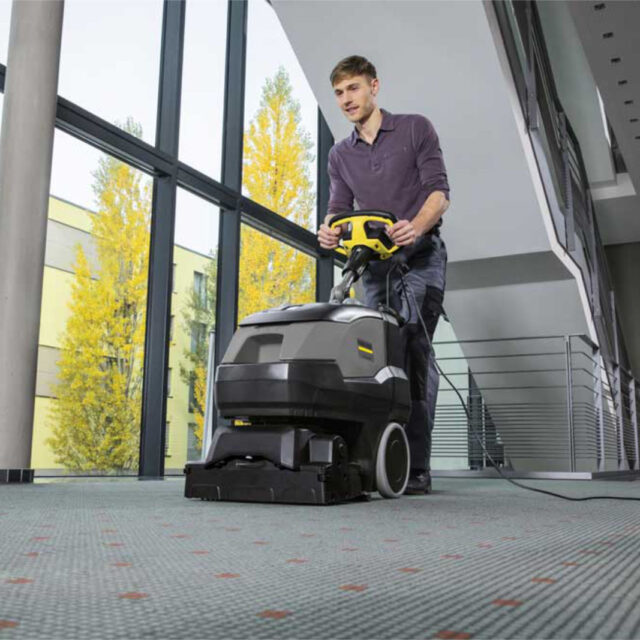
.Scrubber dryers provide a more controlled solution. Machines such as the B 60 scrubber dryer clean and dry floors in a single pass, making them suitable for:

  • Concrete floors
  • Temporary site flooring
  • Welfare units and site offices

Fast drying times mean cleaning can happen without disrupting site activity.

A Practical Cleaning Schedule For Active Construction Sites in Ireland

Construction sites work best with routines that fit around daily operations and are easy to train teams on.

Cleaning Frequency Focus Area What To Do
Daily Work areas Remove loose debris, packaging and offcuts before they become hazards.
Daily Access routes Keep walkways, fire exits and vehicle routes clear throughout the day.
Daily Spill control Clean oil, water and material spillages as soon as they occur.
Weekly Floors Remove built-up dirt and residue using suitable cleaning equipment.
Weekly Storage zones Clean around racking, containers and fixed equipment.
Weekly Safety markings Check markings remain visible and unobstructed.
Periodic Deep cleaning Remove ingrained dirt from floors and hard surfaces.
Periodic High and low areas Clear dust from ledges, beams and corners.
Periodic External areas Sweep yards, access roads and parking areas.

Hire Construction Cleaning Equipment

Hiring equipment gives you flexibility. You can scale cleaning up or down as the project changes, without the upfront cost of buying machines outright. It also means equipment stays serviced, maintained and ready to use.

Hire what you need or speak to the team for advice on the right solution for your project.

FAQs

How do you keep a construction site clean during active works?

Focus on simple habits that fit around daily work. Store tools and materials properly, manage waste using designated areas, keep walkways and access routes clear, and deal with spillages or debris as they occur. A “little and often” approach works far better than leaving all cleaning until the end of the project.

What cleaning equipment is most useful on construction sites?

Sweepers, scrubber dryers and high-pressure washers handle most construction site cleaning tasks. Sweepers control dust and loose debris, scrubber dryers clean and dry floors safely, and pressure washers remove heavy dirt, mud and residue from hard surfaces and machinery.


Can cleaning equipment be used while work is ongoing?

Yes. Professional cleaning machines are built for use on active sites. They clean efficiently, dry surfaces quickly and help control dust and debris without causing unnecessary disruption to ongoing work or site traffic.

What’s the difference between site cleaning and post-construction cleaning?

Site cleaning supports safety and efficiency during the build. Post-construction cleaning prepares the site for final handover.

Related blog posts

Kärcher Hire

At Kärcher Hire success is built upon our friendly and knowledgeable team who are committed to delivering superior high standards of service, training and advice. As recognised Kärcher specialists, we pride ourselves in being able to offer a Next Day Delivery service to many parts of Ireland. So, what else are you waiting for? If you’re interested in joining the many others and becoming part of the Kärcher Hire revolution, make sure you get in touch with our friendly and experienced team today.

We provide a quick and reliable delivery service throughout the country by our own modern fleet of Mercedes Sprinter delivery vehicles. Additionally, we also perform a full demonstration of every machine that we deliver and only leave your site when you and your team are completely happy with the equipment. We even ask your team to score our driver/demonstrator on how well our handover was performed.

FREE QUOTE

For a free and quick quote simply enter your details below and we’ll get back to you with prices, advice & recommendations.